How Often Should You Get a Comprehensive Eye Exam?
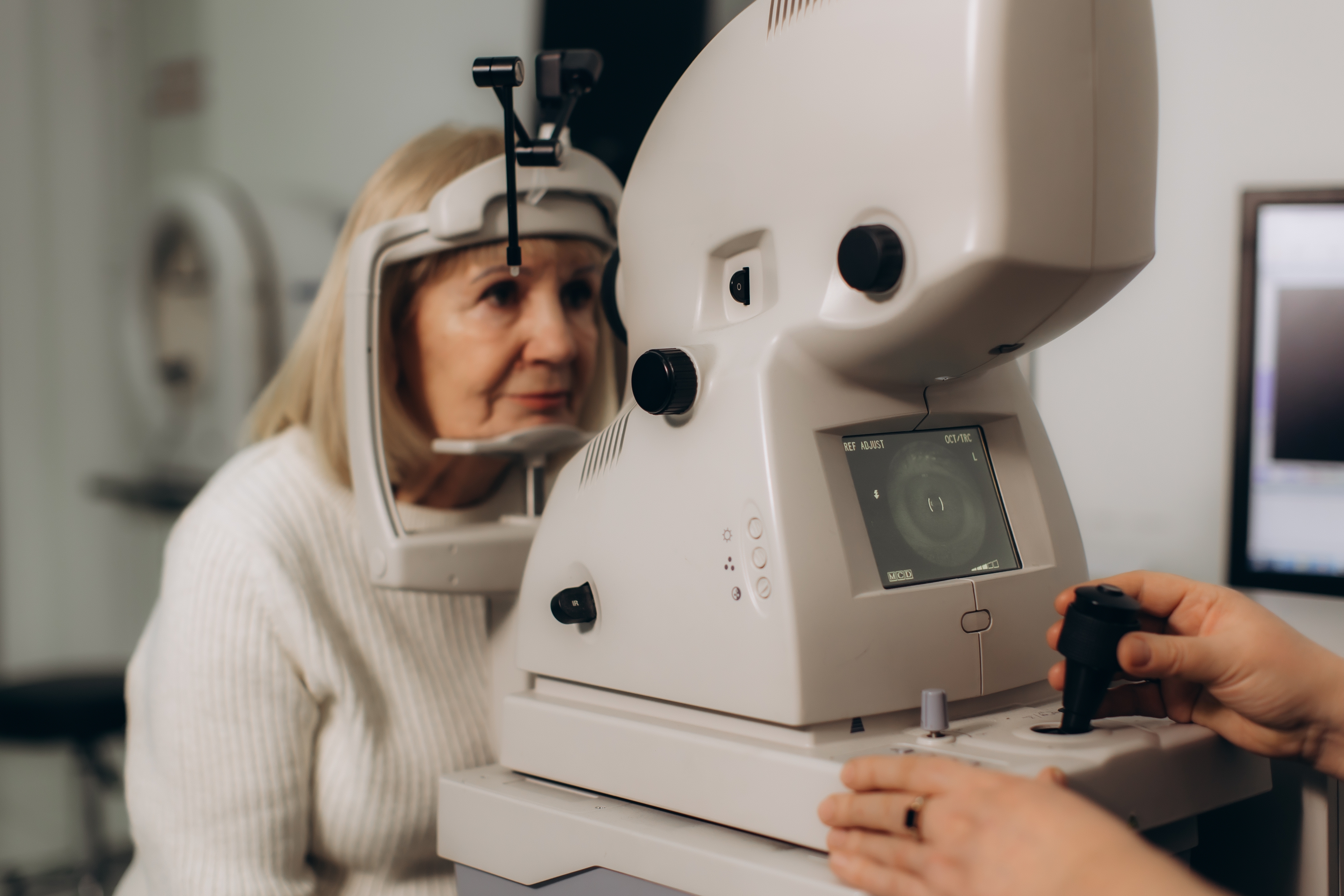
Regular eye exams are important, not just when you notice a problem. They help catch issues early, often before you notice any changes.
Think of a comprehensive eye exam as a complete health check for your eyes, not just a vision test. They measure eye pressure for glaucoma and dilate your pupils to look at the retina and optic nerve. Early signs of diabetes, high blood pressure, and macular degeneration can show up, sometimes even before your regular doctor finds them.
The main goal is to find problems early, when they are easier to treat. How often should you get an eye exam? It depends on your age and risk factors. Here is a simple guide.
Children From Birth to 18 Years
Early eye exams for children set the stage for healthy vision later in life. The first checkup is recommended between six and 12 months, followed by another at age three, and a third before starting school.
Once they are in the school system, an annual exam helps catch any changes that could impact learning. Kids who wear prescription glasses or have other risk factors should follow a more frequent schedule tailored to their needs.
Adults Ages 18 to 39
If you are between 18 and 39 and feel fine, you probably do not need to see an eye doctor every year. A visit every two years is recommended for most people, including those who wear glasses or contacts.
That said, if you have certain health conditions, such as diabetes, or a strong family history of eye disease, the rules change. In those cases, a yearly exam is the safer route to catch problems early.
The Age 40 Milestone
At age 40, you should get a baseline comprehensive eye exam. This helps your doctor track any changes as you get older. Many eye diseases start around this age, so having a baseline makes it easier to catch them early.
Adults Ages 40 to 54
In your 40s and early 50s, your risk of eye problems goes up. If you are low-risk, you should have an eye exam every two to four years. This helps catch age-related changes early.
Adults Ages 55 to 64
In this age group, age-related changes are more common. Conditions like cataracts, glaucoma, and early macular degeneration appear more often. That is why low-risk adults should have an eye exam every one to three years. More frequent exams help your doctor catch problems early.
Adults Ages 65 and Older
At age 65 and older, the risk of serious eye disease is highest. Everyone should have a comprehensive eye exam every one to two years. Getting checked every year is the best way to protect your vision.
People With Risk Factors at Any Age
Some people need more frequent exams, regardless of age. Diabetes, high blood pressure, family history, or being part of at-risk groups can raise your eye risks. Wearing glasses or contacts, having a past eye injury or surgery, taking certain medications, or having a visually demanding job also means you need exams at least once a year, or as your doctor recommends.
To schedule a comprehensive eye exam, visit Iconic Icare in Bedford, Texas. Call (817) 678-5543 to book your appointment.
https://www.aao.org/education/clinical-statement/frequency-of-ocular-examination


Contact Information
Office Hours
- Monday Closed
- Tuesday 9:30 am - 5:30 pm
- Wednesday 10:30 am - 6:30 pm
- Thursday9:30 am - 5:30 pm
- Friday 8:00 am - 3:00 pm
- Saturday 9:00 am - 2:00 pm
- Sunday Closed
- July 4th Closed
- Christmas Eve9:30am - 3:00pm
- ChristmasClosed
- New YearClosed
Insurance We Accept




© 2026 ICONIC ICARE. All rights Reserved. Accessibility Statement - Privacy Policy - Sitemap
Powered by: